What Is Specialist Disability Accommodation and Who Qualifies for It in the Illawarra?
What Is Specialist Disability Accommodation and Who Qualifies for It in the Illawarra?
What Is Specialist Disability Accommodation and Who Qualifies for It in the Illawarra?
April 04,2026
Key Takeaways
- SDA is specialist housing funded by the NDIS for people with very high support needs or extreme functional impairment
- Only around 6% of NDIS participants qualify for SDA funding
- SDA covers the physical home itself, SIL covers the daily support you receive inside it, and they are funded separately
- There are 4 SDA design categories, Improved Liveability, Basic Boost, Fully Accessible, and High Physical Support
- You need solid evidence from health professionals, including an OT assessment, to get SDA added to your plan
- A Support Coordinator can make a real difference to whether your SDA application is approved
If you’ve been told you might be eligible for Specialist Disability Accommodation and you’re not quite sure what that means, you’re not alone. SDA is one of the most talked-about parts of the NDIS and also one of the least understood.
BB Disability & Mental Health Services supports NDIS participants across Wollongong, Dapto, Shellharbour, Kiama, Nowra, and the wider Illawarra and Shoalhaven regions. If you have a question, we aim to get back to you within 2 working hours on any business day.
What Is Specialist Disability Accommodation?
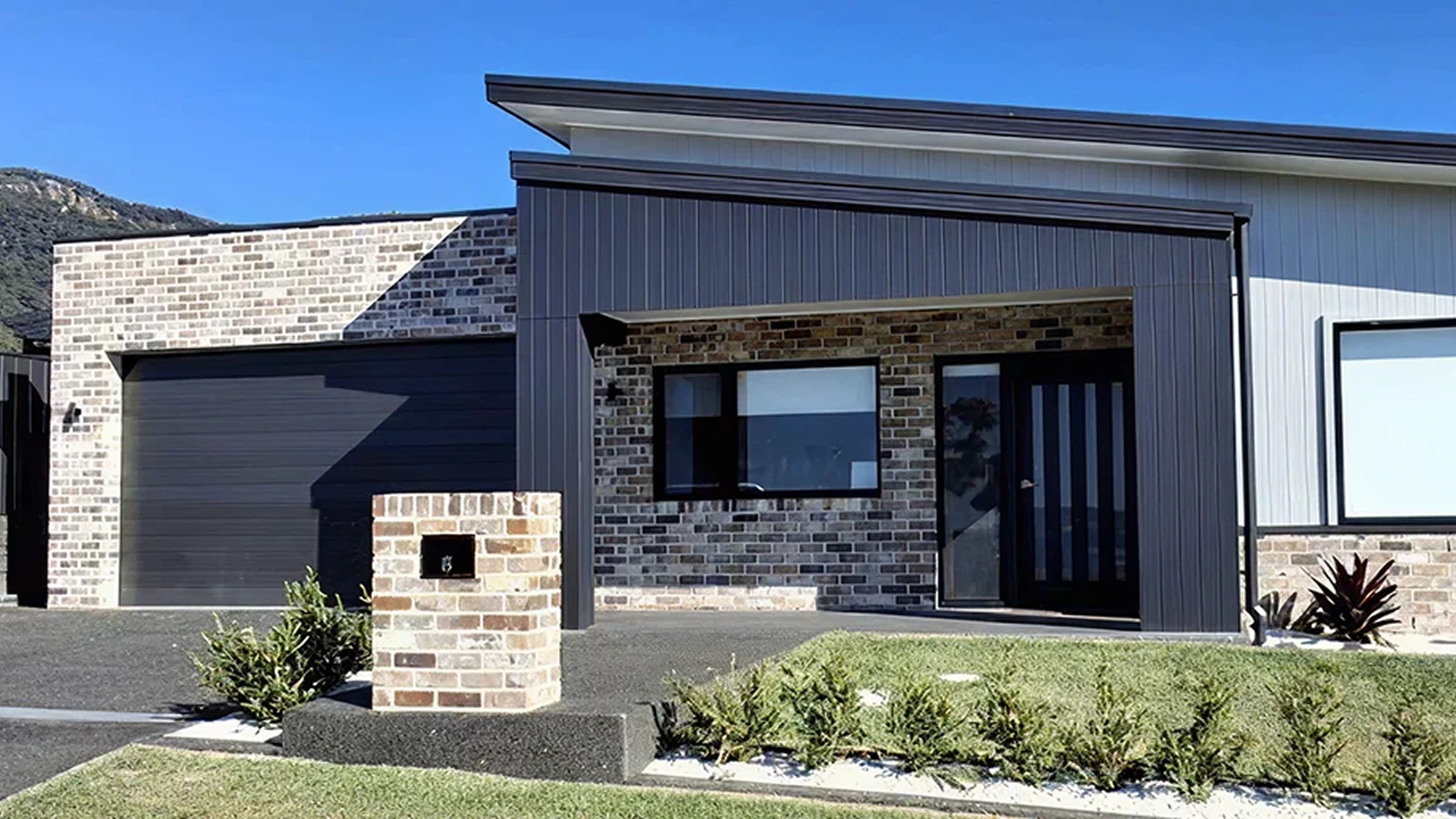
Specialist Disability Accommodation, or SDA, is a type of NDIS-funded housing built or modified specifically for people with very high support needs. The homes are designed with accessibility at the centre, think wider doorways, ceiling hoists, reinforced walls, smart home technology, and emergency power systems depending on the design category.
SDA is not the same as general disability housing or a group home. It sits under the Capital Supports budget in your NDIS plan, and the homes must be registered and enrolled with the NDIS to qualify. The funding goes to the housing provider, not directly to you, to cover the cost of building and maintaining a home that genuinely meets your needs.
SDA is about the home itself. The support you receive inside that home, your daily care, personal assistance, and overnight support, comes from a separate part of your plan called Supported Independent Living (SIL). The 2 often go together, but they are assessed and funded separately.
Who Actually Qualifies for SDA Funding?
This is where a lot of people get caught out. SDA is not available to every NDIS participant. The NDIS estimates that only around 6% of participants will ever receive SDA funding, and it is specifically for people with extreme functional impairment or very high support needs.
To be considered, you generally need to show that your disability means you cannot live safely or independently in a standard home, even with support, and that specialist housing would make a real difference to your daily life, safety, or the overall cost of your care.
People who are more likely to qualify include those with complex physical disabilities requiring specialist equipment, people with acquired brain injuries who need a home built around their care, people currently in hospital or a care facility waiting for appropriate housing to be discharged, and people with high and complex needs who face real risk in standard housing.
If you have a psychosocial disability or mental health condition, SDA can still be relevant in some situations, though it is less common. The team at BB Disability & Mental Health Services has a genuine background in psychosocial disability and mental health support and will always give you an honest answer about whether SDA is the right path for you.
What Are the SDA Design Categories?
The NDIS has 4 SDA design categories, and the right one for you depends on your specific needs and level of impairment.
Improved Liveability homes are designed for people with sensory, intellectual, or cognitive disability. Basic Boost homes offer a slightly higher level of physical access for people with moderate physical needs. Fully Accessible homes are for people with significant physical disability who need a high level of access throughout the entire home. High Physical Support homes are the most accessible of all, built for people who need ceiling hoists, powered doors, and emergency backup power systems.
Identifying the right category is something a good Support Coordinator will work through with you well before your plan review. Getting it right matters because it directly affects which homes you are eligible for and what your funding will cover.
How Do You Get SDA Added to Your NDIS Plan?
SDA funding does not appear in your plan automatically. You have to request it and back that request up with solid evidence from your treating health professionals.
The NDIS will typically want to see an occupational therapist assessment, medical reports, and sometimes a functional capacity assessment. These reports need to clearly describe your daily support needs and make a strong case for why specialist housing is the right option for you rather than a modified standard home.
Having a Support Coordinator in your corner makes a real difference here. They know how to put the evidence together in a way the NDIS understands and can present your case at the plan review in the strongest possible way. BB Disability & Mental Health Services offers Level 2 and Level 3 Support Coordination across the Illawarra and Shoalhaven, and our team has helped many participants get SDA successfully included in their plans.
If your first request is refused, you have the right to ask for an internal review. Many SDA approvals come through after an initial refusal when the evidence is strengthened, so don’t give up on the first no.
What SDA Looks Like at BB Disability & Mental Health Services
Our SDA homes are real homes in everyday streets across the Illawarra and Shoalhaven. They are not clinical settings or institutions. They are built to high accessibility standards and designed so that the people living in them feel settled, safe, and genuinely at home.
The leadership team at BB Disability & Mental Health Services has deep backgrounds in mental health nursing and social work. This means we are especially well placed to support people whose disability includes a mental health or psychosocial component alongside their physical needs, which is an area many providers overlook. With 150+ participants supported and a Health Improvement Award win in 2025, we know what good SDA support looks like and we make sure that is what you get.
Want to be among the first to know when a place becomes available? Register your interest in our SDA homes here and we will be in touch as soon as something suits you.
Frequently Asked Questions
Is SDA only for people with physical disabilities?
No. While SDA is most commonly associated with physical disability, people with sensory, intellectual, cognitive, and in some cases psychosocial disabilities can also qualify, depending on their level of functional impairment and support needs. BB Disability & Mental Health Services includes mental health nursing and social work specialists who can help you work out whether SDA is worth pursuing in your situation.
Can I choose who I live with in an SDA home?
You won’t always be able to choose your housemates, but a good provider will work carefully to match residents whose routines, personalities, and support needs are compatible. BB Disability & Mental Health Services takes this matching process seriously before anyone moves in, because the right household dynamic makes day to day life much better for everyone.
What happens if my needs change after I move into an SDA home?
Your NDIS plan can be reviewed if your circumstances or support needs change. Your Support Coordinator can request an unscheduled plan review if there is a meaningful change in your situation that affects your housing or daily support needs.
Can I get SDA if I currently live with my family?
Yes. Living with family does not exclude you from SDA. If your disability means that standard housing, including your family home, cannot safely or adequately meet your needs, SDA is still worth exploring. BB Disability & Mental Health Services can talk this through honestly and help you work out whether an application makes sense for your situation.
How long does it take to get SDA approved?
It varies. Some applications are approved at the first plan meeting with strong supporting evidence. Others go through one or two reviews before approval comes through. Having a Support Coordinator who knows the process well is one of the biggest factors in how smoothly and quickly things move.
Does BB Disability & Mental Health Services help with the SDA application process?
Yes. Our Support Coordination team works with participants across the Illawarra and Shoalhaven to pull together the right evidence, prepare for plan reviews, and follow up if a first application is not successful. BB Disability & Mental Health Services is a registered NDIS provider with registration number 4050098162 and ABN 39647992327, so you are in safe hands from the very start.
Is SDA the Right Step for You?
SDA is not the right fit for everyone and that is okay. What matters most is finding the housing option that genuinely works for your life, your needs, and your goals.
If you are unsure whether SDA applies to your situation, a quick conversation with our team is the fastest way to get a real answer. No confusing forms. No long waits. Just an open and honest chat about where you are right now and what options make sense for you.
Every person’s housing journey looks different. Find out how SDA sits alongside your other NDIS housing options across the Illawarra and Shoalhaven and see what feels right for where you are today.
Call us or get in touch with our team to get started. We aim to get back to you within 2 working hours on any business day.